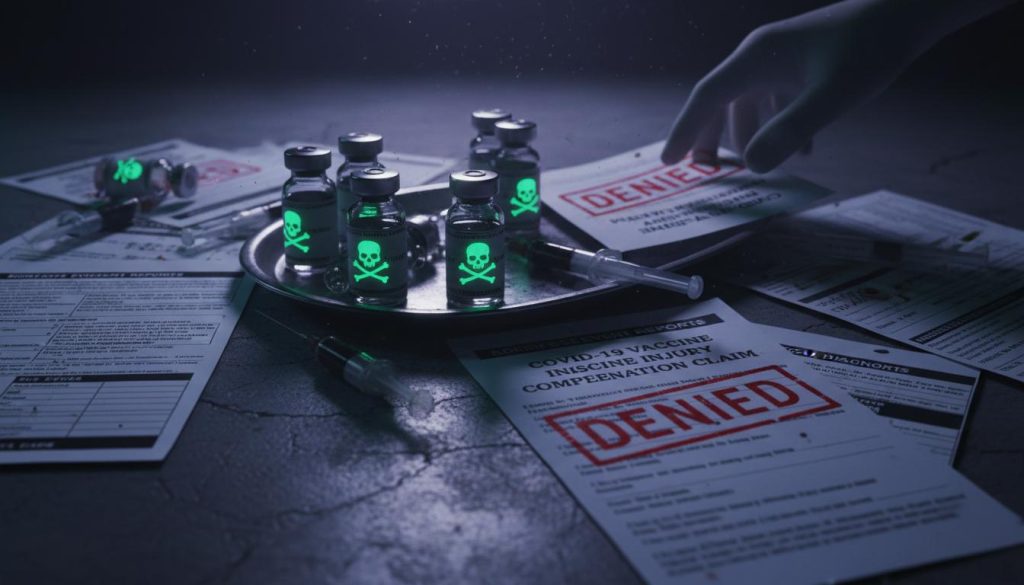
Under the Public Readiness and Emergency Preparedness (PREP) Act, the Countermeasures Injury Compensation Program (CICP) serves as the sole remedy for COVID-19 vaccine injuries — and the program has rejected approximately 90% of claims submitted.
While the National Vaccine Injury Compensation Program (VICP) provides a judicial process with the right to counsel and a 40% success rate, CICP operates as a purely administrative process with no right to appeal. The burden of proof is “compelling reliable medical and scientific evidence” — a standard far higher than VICP’s “preponderance of evidence.”
The success rate for CICP claims is approximately 10%, compared to VICP’s roughly 40%. CICP also excludes pain and suffering damages, legal fees, and has a strict one-year filing deadline.
Moreover, the PREP Act declaration has been extended through December 31, 2029 — meaning vaccine manufacturers retain liability immunity for another four years. Without a transition to VICP, injured individuals remain trapped in a compensation system designed to deny their claims.
Critics argue the system was intentionally structured this way: maximize uptake by promising safety monitoring, then minimize accountability through an impenetrable compensation process.


