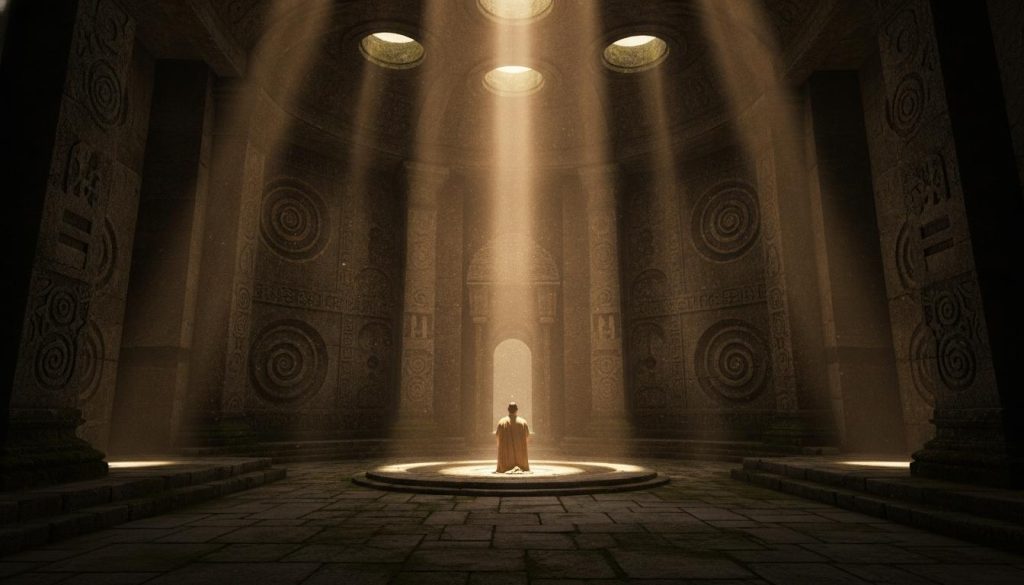
The Dead Sea Scrolls were found in caves near Qumran, close to the Dead Sea. These documents contain religious texts, ancient biblical manuscripts, and secular community documents dating from about the 3rd century BC to the 1st century AD.
What makes them extraordinary is their age and condition. Most were written on parchment and papyrus — materials that degrade rapidly under normal conditions. But the dry desert climate kept them preserved for almost two millennia.
“The scrolls provide an early version of the Hebrew scriptures and give insight into the evolution of religious documents. Certain aspects remain missing as some portions are yet to be deciphered or are incomplete.”
It is believed the documents were buried intentionally — possibly to save them from destruction during the Roman conquest. The community at Qumran, believed to be the Essenes, may have hidden their library in the caves expecting to return.
They never did. But their texts survived, offering us a window into the religious world from which both Judaism and Christianity emerged — a world far more diverse and contested than traditional narratives suggest.


