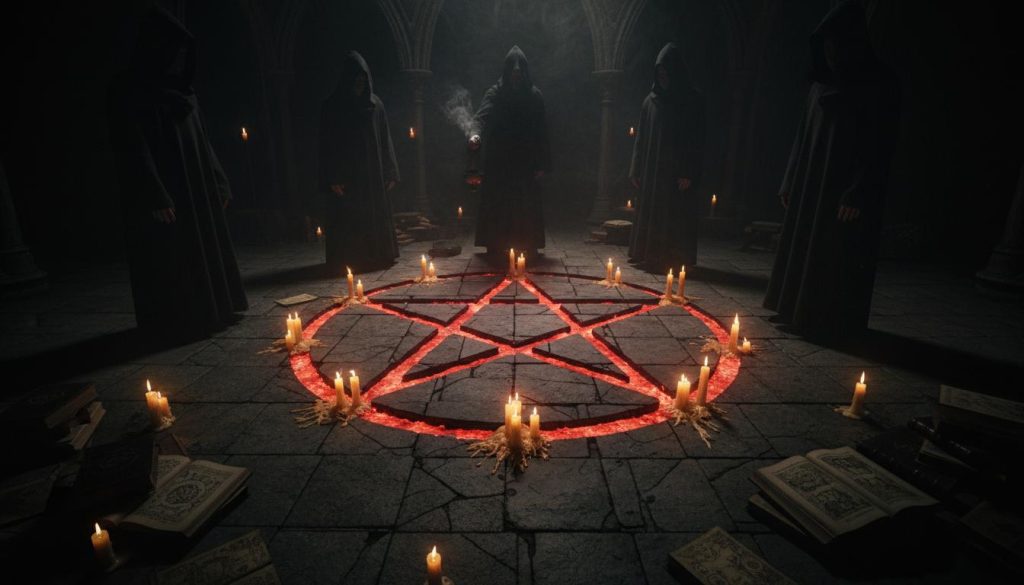
From the Freemasons to the Bilderberg Group, from Skull and Bones to the Bohemian Grove, secret societies and closed-door meetings have been a feature of elite power networks for centuries. What happens behind closed doors, and why does it matter?
The Bilderberg Meeting — named after the Dutch hotel where it was first held in 1954 — brings together approximately 120-140 political leaders, royalty, bankers, industrialists, and media executives from North America and Europe for three days of off-the-record discussion. No press is allowed. No minutes are published. No accountability exists.
“The same people who attend Bilderberg also attend Davos, the Council on Foreign Relations, and the Trilateral Commission. The overlap is not coincidence — it is coordination.”
Skull and Bones, a secret society at Yale University, has produced multiple U.S. presidents, Supreme Court justices, and CIA directors. Its members are sworn to secrecy about its activities and rituals — yet they emerge to occupy the highest positions of American power.
Whether these organizations are merely social clubs for the elite or represent genuine coordination of global policy, the concentration of power among a tiny, interconnected group should concern anyone who values democratic governance.


